Southeast Asia Semiconductor Equipment Market Experiences Strong Growth as Thailand Wafer Fab Expansion Accelerates Supply Chain Transformation
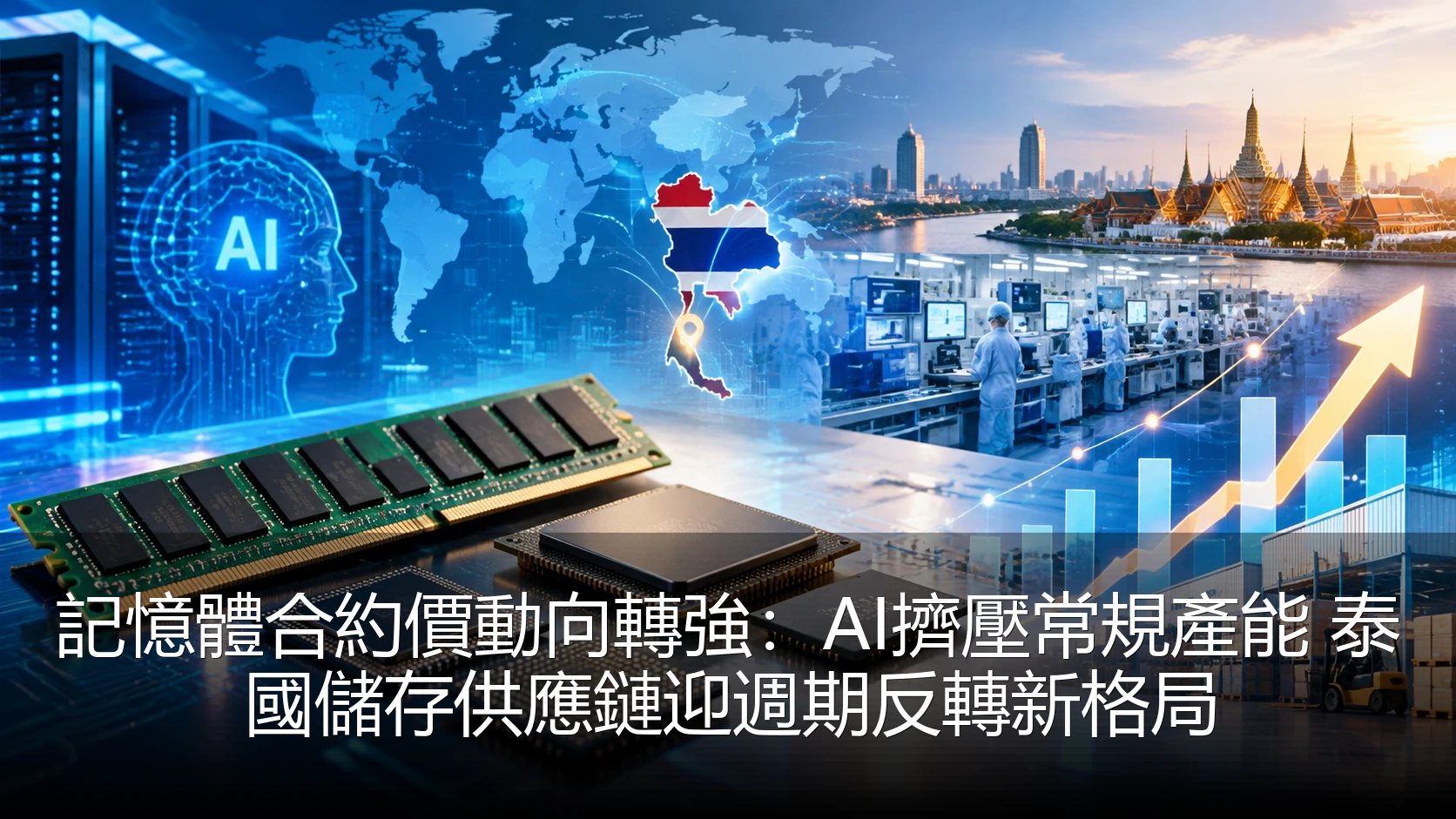
The global semiconductor industry is undergoing structural transformation, with Southeast Asia, particularly Thailand, emerging as a new hotspot in the global semiconductor equipment market. According to the latest industry data, semiconductor equipment shipments in Southeast Asia reached a historic high in the first half of 2026, with Thailand's performance being particularly outstanding. The accelerated expansion of wafer fabs has triggered profound changes throughout the entire supply chain.
The Rise of the Southeast Asia Semiconductor Equipment Market
In the first half of 2026, the Southeast Asia semiconductor equipment market showed remarkable growth momentum. According to data from market research institutions, semiconductor equipment shipments in the region increased by over 30% compared to the same period last year, significantly higher than the global average of 15%. This growth is mainly driven by the restructuring of the global semiconductor industry chain and continuous investment in semiconductor manufacturing in Southeast Asia.
As the core hub for semiconductor manufacturing in Southeast Asia, Thailand's equipment market growth rate is leading other countries in the region. Data from Thailand's Ministry of Industry shows that semiconductor equipment imports reached $4.2 billion in the first half of 2026, a 35% increase year-on-year, reaching a historic high. Among these, advanced process equipment and packaging/testing equipment showed particularly significant growth, increasing by 42% and 38% respectively.
Driving Forces Behind Thailand's Wafer Fab Expansion
There are multiple driving factors behind the active expansion of Thailand's wafer fabs. Firstly, the explosive growth in computing demand driven by the global AI wave has increased demand for high-performance chips, stimulating capacity expansion of wafer fabs. Secondly, supply chain restructuring due to global geopolitical factors has made Thailand a preferred investment destination for semiconductor companies worldwide, leveraging its stable political environment and strategic geographical location.
The "Super Semiconductor Incentive Package" recently launched by Thailand's Board of Investment (BOI) has further stimulated wafer fab expansion plans. This incentive package includes tax reductions, land use incentives, talent training subsidies, and other incentive measures, attracting major global foundry companies such as TSMC, Samsung, and UMC to increase investment in Thailand.
According to Thailand's BOI statistics, investment applications in the semiconductor sector reached 280 billion Thai baht (approximately $8 billion) in the first half of 2026, a nearly 50% increase year-on-year. Among these, investments in advanced process wafer fabs and specialized wafer fabs accounted for over 70%, showing Thailand's technological upgrading trend in semiconductor manufacturing.
Equipment Supply Chain Transformation and Challenges
The large-scale expansion of Thailand's wafer fabs has driven changes in the entire equipment supply chain. On one hand, equipment suppliers need to cope with sudden increases in equipment demand; on the other hand, they face new challenges in equipment delivery cycles, technical support, and maintenance services.
Major global semiconductor equipment manufacturers such as ASML, Applied Materials, and Tokyo Electron have begun adjusting their Southeast Asian market strategies, increasing regional inventory and technical support teams. The head of ASML Thailand stated: "We have established Thailand as a technical support center for the Southeast Asian region and increased local inventory levels to meet customers' urgent demands for equipment delivery times."
However, the equipment supply chain also faces numerous challenges. Firstly, global supply of critical equipment components is tight, especially core components for advanced process equipment, leading to extended delivery cycles for some equipment. Secondly, the shortage of technical talent is becoming increasingly prominent, particularly professionals for operating and maintaining advanced process equipment.
Suthiporn Chavanond, Chairman of the Thailand Semiconductor Association, pointed out: "The transformation of the equipment supply chain is both a challenge and an opportunity. We are cooperating with domestic and international educational institutions to strengthen the training of semiconductor equipment professionals, while encouraging local equipment manufacturers to improve their technical levels and reduce dependence on imported equipment."
Future Outlook for Thailand's Semiconductor Equipment Market
Looking ahead, Thailand's semiconductor equipment market is expected to maintain strong growth momentum. According to forecasts from the Thailand Semiconductor Industry Association, Thailand's semiconductor equipment market will continue to grow at a rate of over 20% in the second half of 2026, and by 2027, Thailand will become the largest semiconductor equipment market in Southeast Asia.
In terms of technology roadmap, Thailand's semiconductor equipment market will show diversified development trends. On one hand, demand for advanced process equipment continues to grow, especially for 5nm and below process equipment. On the other hand, mature process equipment and special application equipment will also maintain stable demand, such as power semiconductor equipment and MEMS equipment.
Additionally, the Thai government is promoting a "Semiconductor Equipment Localization" plan, encouraging local enterprises to develop and produce some semiconductor equipment components and auxiliary equipment. This plan will not only help reduce dependence on imported equipment but also promote the improvement and technological upgrading of Thailand's semiconductor industry chain.
Investment Opportunities and Risk Warnings
The rapid development of Thailand's semiconductor equipment market brings abundant opportunities for investors. Firstly, equipment manufacturers and component suppliers will directly benefit from the growth in market demand. Secondly, equipment service providers, such as maintenance, technical support, and equipment upgrade service companies, will also have broad development space.
Specifically, the following areas deserve investors' attention: advanced process component supply, equipment maintenance services, semiconductor equipment software and data analysis platforms, and localization equipment R&D.
However, investors also need to be aware of related risks. Firstly, the global semiconductor equipment supply chain still has uncertainties that may affect equipment delivery and price stability. Secondly, technology changes rapidly, and investors need to continuously follow technological development trends to avoid investing in outdated technologies. Additionally, geopolitical factors may also impact Thailand's semiconductor equipment market.
Conclusion
The Southeast Asia semiconductor equipment market, especially Thailand's market, is facing unprecedented development opportunities. Driven by global semiconductor industry restructuring and the AI wave, Thailand is becoming a new hotspot in the global semiconductor equipment market with its policy support and industrial foundation. For investors, deeply understanding the dynamic trends of Thailand's semiconductor equipment market and seizing the opportunities of industrial chain transformation will be key to achieving returns.
In the coming years, Thailand's semiconductor equipment market will continue to maintain growth momentum, while technology roadmaps and industrial structures will continue to optimize. For companies and investors intending to enter the Thai market, it is recommended to closely monitor policy changes, technological developments, and market demands, and formulate long-term development strategies to respond to the constantly changing market environment.